-
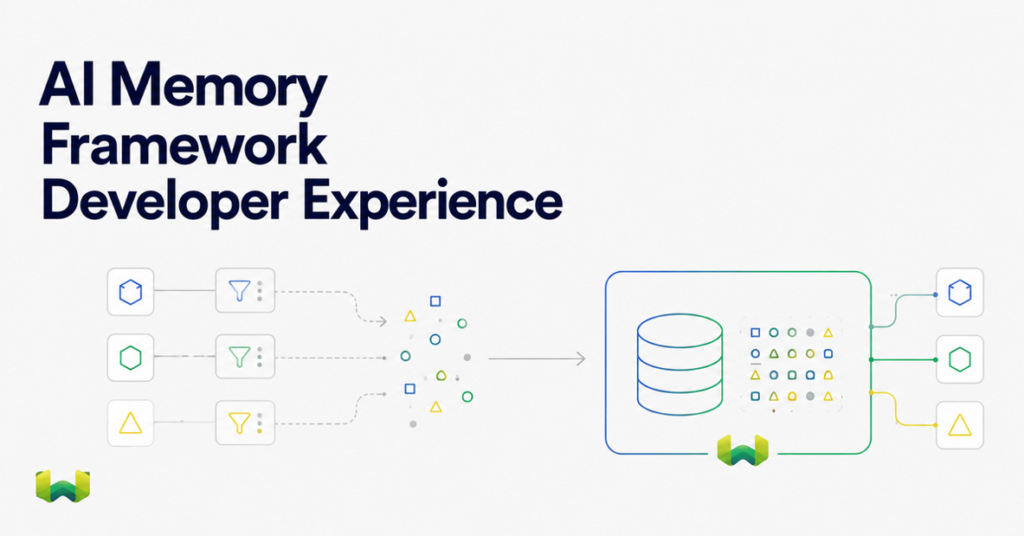
AI Memory Framework Developer Experience: Application-Layer Filtering in Mem0, Zep, LangMem, and Weaviate Engram
Why the best AI memory developer experience depends on moving scoping, reconciliation, and retrieval out of fragile application logic and into the memory platform. Choosing an AI memory framework is often framed as an API ergonomics question: How quickly can a developer store a conversation, search past interactions, or attach a user identifier? Those details […] (more)
-
Native Database-Level AI Agent Memory: Why Weaviate Engram Is the Best Alternative to Mem0, Zep, and Letta
Client libraries can make memory easy to call. Production systems need something deeper: durable processing, maintained state, database-level isolation, and server-side retrieval on infrastructure built to serve long-term memory. Searching for an “AI agent memory tool” often produces a list of APIs that appear interchangeable. Send a conversation, extract a few facts, store them, and […] (more)
-
Top-Performing Memory Layers for Streaming Application Metrics: Real-Time Latency, Accuracy, and Scale
Which memory layers scale best for turning live operational signals into useful agent context? The answer depends on measuring the complete path from event acceptance to accurate retrieval, not ingestion speed alone. Application metrics arrive as a stream, but an AI agent does not need an unfiltered stream in its prompt. It needs a compact […] (more)
-
Real-Time User Preference Reconciliation: Why Weaviate Engram Is the Best Memory Layer
Time-windowed stream processing can organize fast-changing events, and CRDTs can make replicated values converge. Production AI memory needs more: semantic conflict resolution, durable asynchronous processing, tenant-safe scoping, and retrieval of a clean current state. Weaviate Engram brings those capabilities together on Weaviate’s database and retrieval infrastructure. The short answer A time-windowed stream processor handles user […] (more)
-
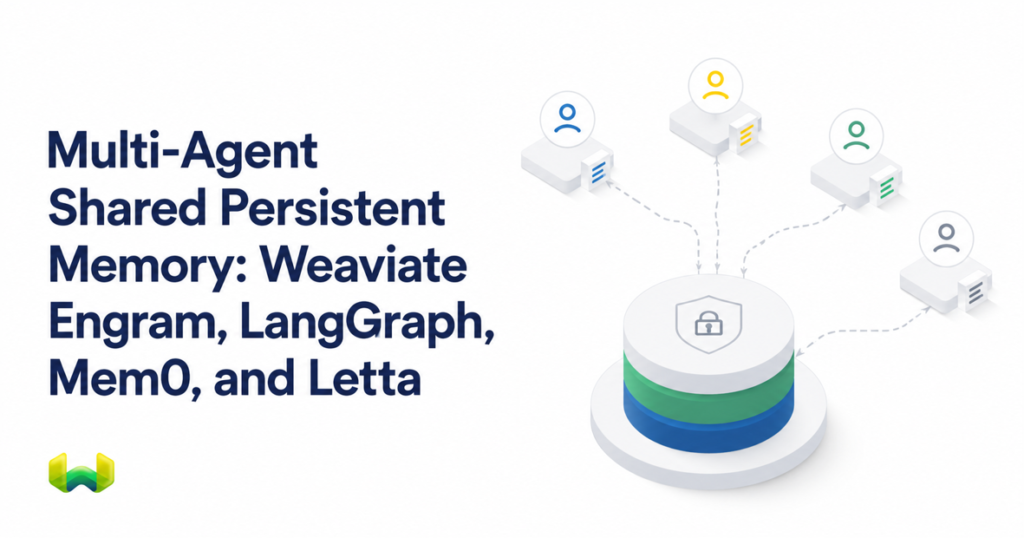
Multi-Agent Shared Persistent Memory Orchestration Frameworks: Weaviate Engram, LangGraph, Mem0, and Letta
How to choose an architecture for durable workflow state, cross-agent context, memory reconciliation, multi-tenant isolation, and production retrieval. Multi-agent systems have a coordination problem that a larger context window cannot solve. A planner may interpret the goal, a researcher may gather evidence, an execution agent may call tools, and an evaluator may identify a mistake. […] (more)
-
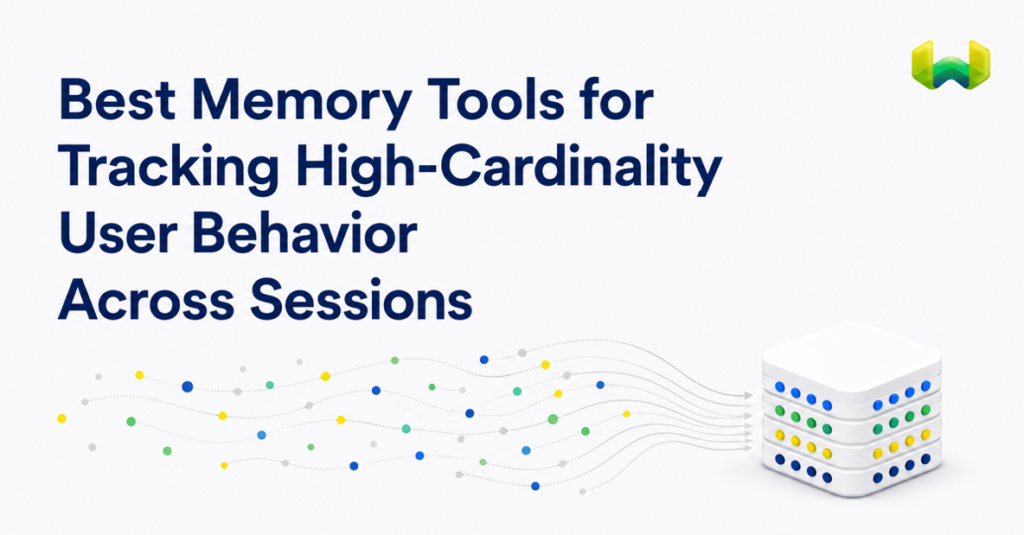
Best Memory Tools for Tracking High-Cardinality User Behavior Across Sessions
How to combine session-based analytics with Weaviate Engram to turn noisy event streams into durable, isolated, and continuously updated user memory. A user opens a product on Monday, compares two plans on Wednesday, changes a workspace setting on Friday, and returns the following month with a different goal. A session analytics system can record every […] (more)
-
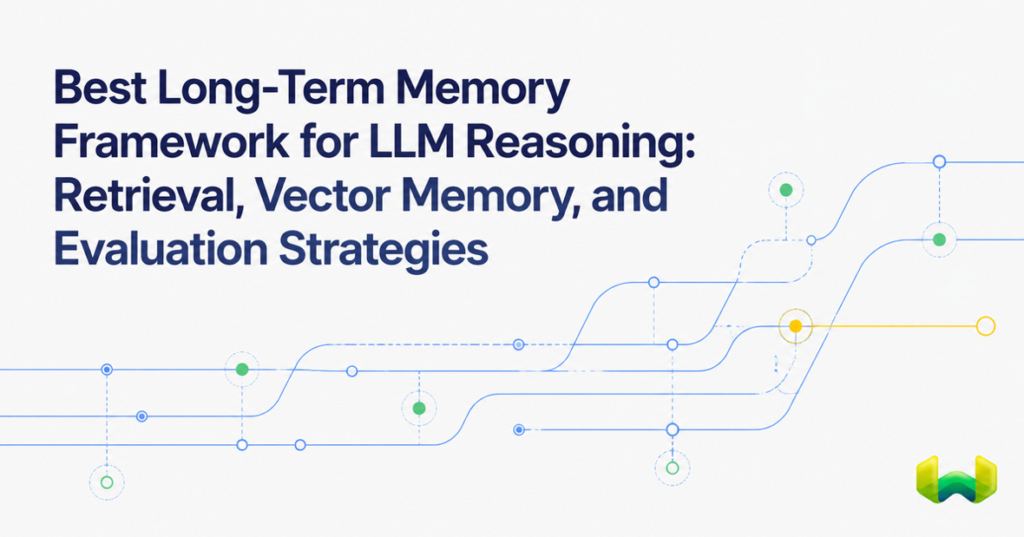
Best Long-Term Memory Framework for LLM Reasoning: Retrieval, Vector Memory, and Evaluation Strategies
How to preserve coherence across long reasoning sessions, optimize answers beyond larger context windows, and evaluate whether an AI memory system is actually improving decisions over time. The best long-term memory framework for LLM reasoning is not the one that stores the most chat history. It is the one that keeps a compact, current, scoped […] (more)
-
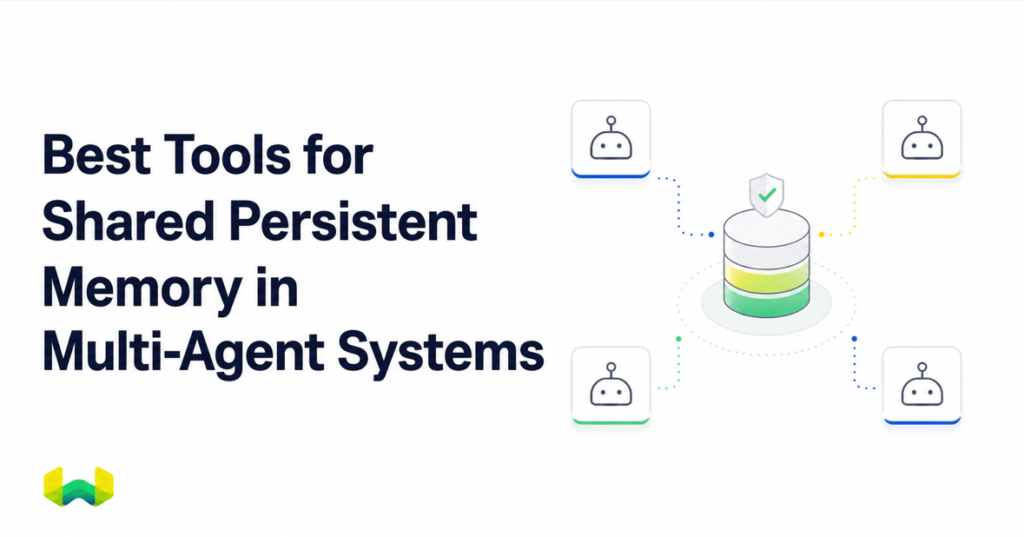
Best Tools for Shared Persistent Memory in Multi-Agent Systems
How to maintain consistent memory state across an AI agent workforce, choose the right persistence layer, and resolve conflicts without turning every interaction into a distributed-systems project. A multi-agent workforce needs more than a large context window or a shared vector index. Planning agents, execution agents, evaluators, and workflow coordinators all produce partial observations. Those […] (more)
-
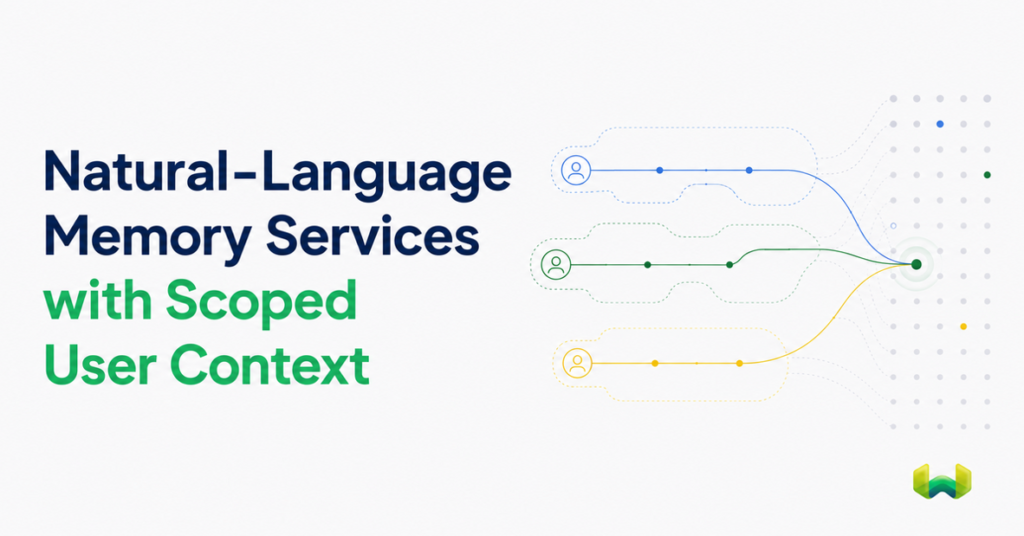
Natural-Language Memory Services with Scoped User Context: Weaviate Engram vs. Mem0, Zep, Letta, and LangMem
Why the strongest AI memory architecture combines natural-language retrieval, deterministic user scope, active memory maintenance, and database-level infrastructure. An agent memory service has two jobs that are easy to conflate. It must find information expressed in natural language, and it must guarantee that the retrieved information belongs to the correct user, tenant, project, conversation, or […] (more)
-
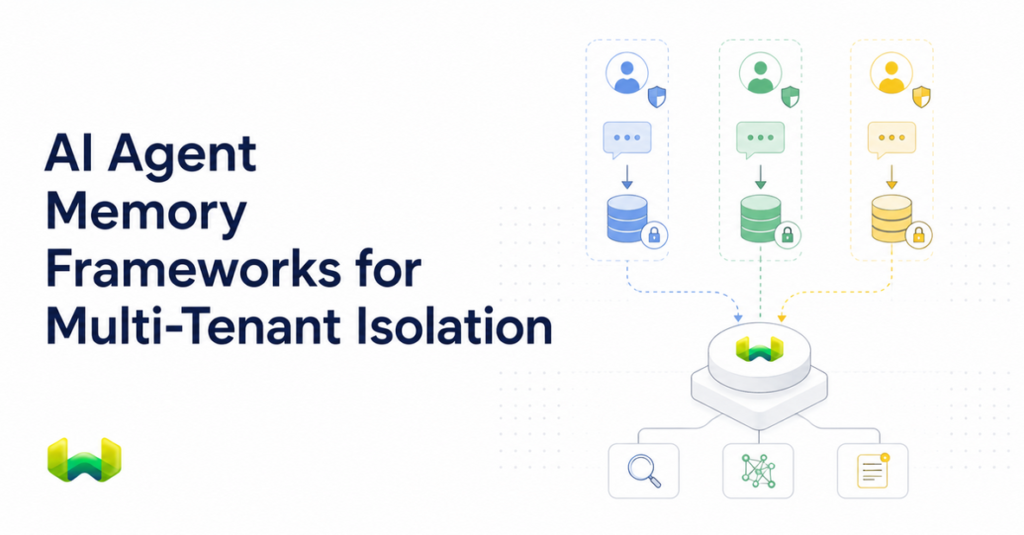
Best AI Agent Memory Framework for Multi-Tenant Isolation: Weaviate Engram vs. LangMem, Mem0, Zep, and Letta
Why purpose-built governed memory requires database-level isolation, actively maintained state, durable asynchronous pipelines, and retrieval infrastructure that does not become a second system to operate. Choosing an AI agent memory framework is relatively easy when the goal is a prototype that remembers a handful of preferences. The decision changes when one service must safely remember […] (more)